Neuromodec Journal
Publishing original research and analysis in the fields of neuromodulation devices, brain interface technology, and digital brain therapeutics.
Our publishing model integrates scientific journal rigor with dynamic (web) content, at no cost to authors or readers, with rapid turn-around.
- Open accessEvery article is free to read.
- No publication feesNo cost to authors.
- Rapid turn-aroundJournal rigor with the speed of the web.

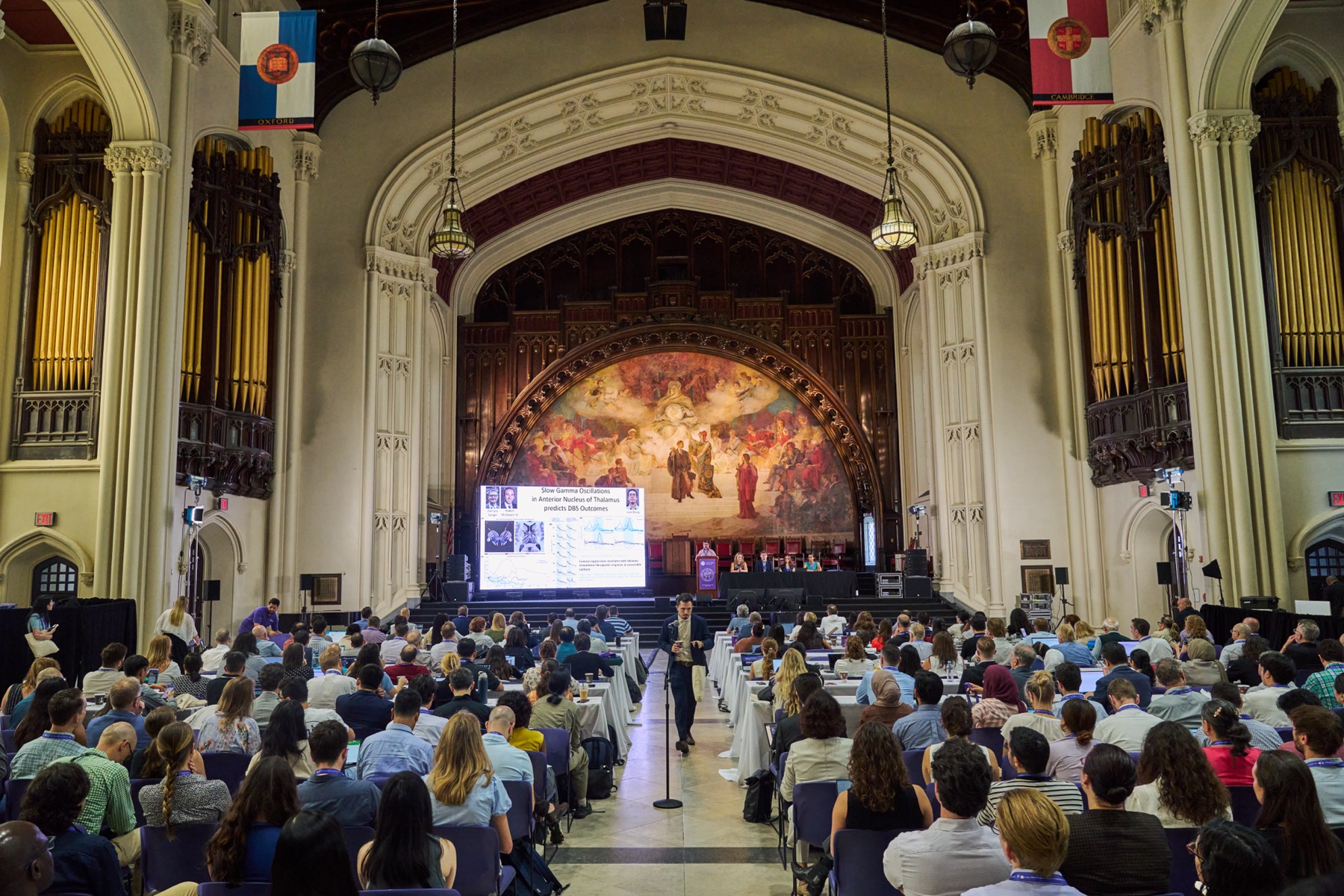
2026 NYC Neuromodulation Conference Abstracts now published
Abstracts from the 2026 NYC Neuromodulation Conference are now published in Neuromodec Journal, Volume 5, Issue 2.
Read the abstracts
Marom Bikson interviews: Harold Sackeim on “Wired for Depression”

Toward a Framework for AI Safety in Mental Health: AI Safety Levels-Mental Health (ASL-MH)

“The Inside History of SCS 1” with J. Thomas Mortimer

“The Inside History of SCS 2” with Elliot Krames

The EU disregards Ombudsman decision on NIBS reclassification

Active Inference Therapy: A First-Principles Framework for Psychotherapeutic Intervention
Articles

2024 NYC Neuromodulation Conference Abstracts published in Brain Stimulation Journal

Neuromodulation Design and Biomarkers

Neuromodulatory Technology: Through the Lens and In the Mirror

What Silicon Valley needs to know about the brain, and what it doesn't. Part I

Perspective by Dr. Kip Ludwig: What does the recent Neuralink FDA IDE really mean?
EU regulators grossly misrepresent non-invasive brain stimulation

Is Neuralink the First Hook in a Neurobioeconomic – and Ethico-legal and Social – Chain Reaction?

Employee Vulnerabilities Affected by the Use of Neurowearable Technology in the Workplace
ProceedingsVolume 5, Issue 2 · 2026 NYC Neuromodulation Conference
Browse abstractsSeparation between sensory and motor fibers in the human cervical vagus nerve
Hybrid Retinal Implant with 3D Micro-Well Electrodes for High-Resolution Visual Restoration via a Single-Cell Neuromodulation
Temporal Interference Stimulation Increases Field Potential Power at the Interference Frequency, and Affects Single Unit Activity in Humans
Default Mode Network Neuromodulation to Treat Depression via Non-Invasive Transcranial Focused Ultrasound: Acute and Sustained Effects
Active Bilateral Frontal tDCS During Cognitive Training and 1-Year Everyday Function Outcomes in Healthy Older Adults
Subtherapeutic subcallosal cingulate stimulation modulates mood and learning during decision-making in treatment-resistant depression
ProceedingsVolume 4, Issue 2
Browse proceedingsState dependent modulation of cognitive control by prefrontal transcranial magnetic stimulation
White Matter Network Differentially Mediates Language Cognition in response to cTBS Transcranial Magnetic Stimulation
Synaptic depotentiation with early low-frequency TMS reduces hyperactivity after neonatal hypoxia in mice
Towards Efficient Search For Personalized TMS Therapy
Radiomic Prediction of Parkinson’s Disease Deep Brain Stimulation Surgery Outcomes using Quantitative Susceptibility Mapping and Label Noise Compensation
Optimized interferential stimulation of human brains is sensitive to head anatomies and target locations
News & updates
Regulatory, clinical and industry news from across the field.
- Important updates on targeted neuromodulation for depression, Abbott DBS and SAINT TMS
- 2021 Neuromodec Highlights in Neuromodulation
- NeuroPace received FDA nod for IDE trial on closed-loop neuromodulation therapy for idiopathic generalized epilepsy (IGE)
- National Institutes of Health (NIH) award team of medical centers $10m to test Synchron brain interface technology
- Neuromodulation plus Digital Therapeutics
- Tivic Health Accelerates Wearable Neuromodulation with Consumers in Mind
- Neurolief announces FDA clearance and Japan partnership
- Safety and Efficacy of Adaptive Deep Brain Stimulation
Neuromodulation for COVID-19
Our running series of research updates.
- Update 10: Major steps forward
- Update 9: More encouraging studies
- Update 8: Encouraging news
- Update 7: Electronic noses, NIH “RECOVER” recruits patients, new prospects
- Update 6: Breakthrough studies show efficacy pathways
- Update 5: Increased urgency to develop neuromodulation treatments, ongoing taVNS results